
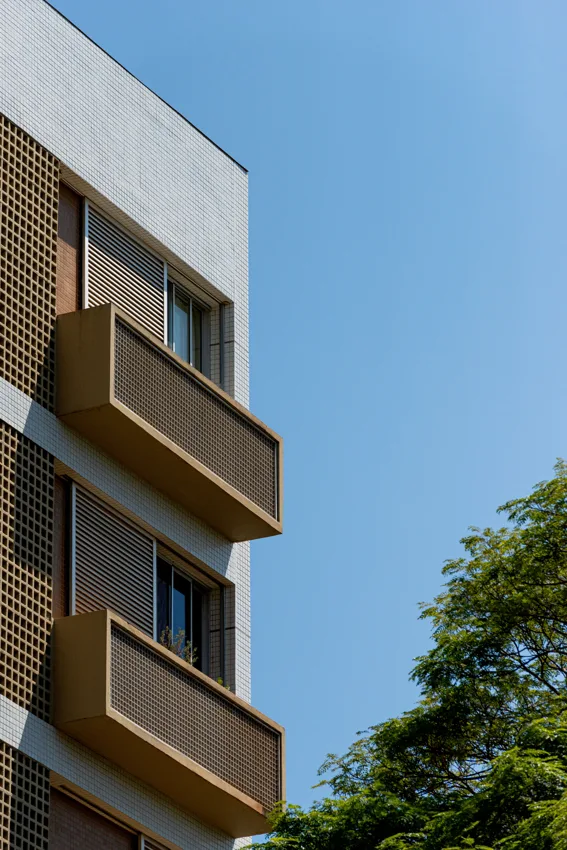
Focus on construction expenditure
Building depreciation generally refers to the assessment of eligible capital works. Original construction expenditure, dates and qualifying use matter. The amount is not simply the current building value or a portion of the property’s sale price.
Separate original works and later improvements
An older property may contain more recent additions or renovations. Keep dates and costs for each stage rather than treating the entire building as if it were newly constructed when you bought it.
Do not restart the deduction period
A purchase or new schedule does not restart the period applicable to the underlying work. The preparer and accountant need to assess what remains available using the relevant dates and conditions.
What if construction records are missing?
Supply available plans, approvals, invoices and photographs. Ask whether a suitably qualified construction cost estimate is needed. The report should distinguish documented costs from estimates and explain material assumptions.
Building costs are not appliance costs
Capital works and depreciating assets follow different rules. A wider depreciation schedule may address both, but they should remain distinguishable for the accountant using it.
Frequently asked questions
Does an old property automatically have no claim?
No. Its construction and improvement history need assessment.
Can land value be treated as building expenditure?
No. Land value and qualifying construction expenditure are different measures.
Sources and further reading
- ATO: Work out your capital works deductions — Eligible construction expenditure and applicable deduction rules.
- ATO: Second-hand depreciating assets — Restrictions relevant to previously used residential rental assets.
Arrange the right report
Explore tax depreciation with Propti. Send the property address, purpose, required date and recipient’s instructions when you request a property report quote.